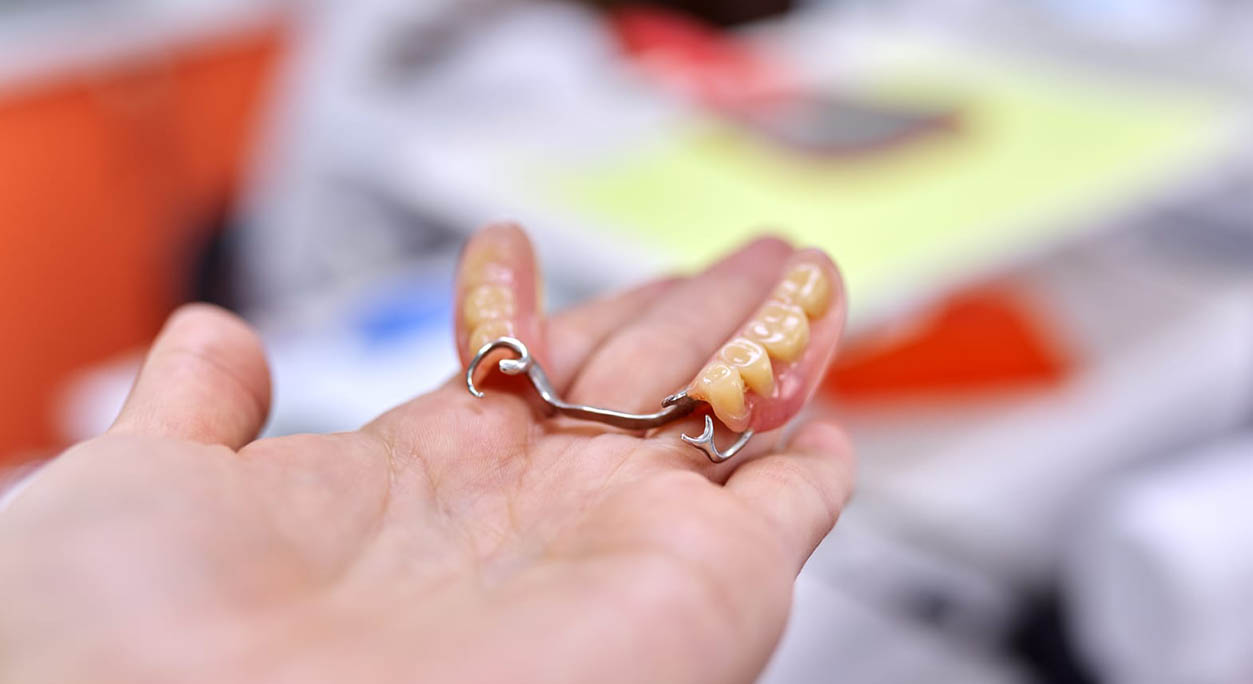
The Secret To A Complete Smile: Dental Bridges In Manassas Park, VA
A confident smile has the power to transform not only your appearance but also your overall well-being. For those who have experienced the discomfort and self-consciousness of missing teeth, finding an effective solution is essential. Dental bridges offer a time-tested, reliable option to restore the beauty and functionality of your smile. In Manassas Park, VA, patients have access to advanced dental care designed to provide lasting results and renewed confidence. Whether you're looking to improve your oral health or enhance your appearance, dental bridges can be a game-changer for achieving a complete and natural-looking smile. This article will explore how dental bridges work, their benefits, and why they might be the perfect solution for you.
What Are The Advantages That Come With Choosing Dental Bridges In Manassas Park, VA, For Tooth Replacement
Dental bridges are a popular and effective solution for individuals looking to restore their smiles and oral health. In Manassas Park, VA, choosing dental bridges offers numerous advantages tailored to meet the needs of local patients. Here’s why they are an excellent choice for tooth replacement.
- Missing teeth can make everyday tasks like chewing and speaking challenging. Dental bridges fill the gaps, restoring the ability to eat your favorite foods and speak clearly, ensuring normal oral function.
- A gap in your smile can affect your confidence. Dental bridges are custom-designed to blend seamlessly with your natural teeth, giving you a complete and beautiful smile.
- When a tooth is missing, neighboring teeth may shift into the gap, causing misalignment and further dental problems. Bridges help maintain proper alignment by keeping adjacent teeth in place.
- With proper care, dental bridges are a durable solution, often lasting 10 years or more. Advances in dental technology in Manassas Park mean patients can rely on high-quality materials for strength and longevity.
- A complete smile not only improves self-esteem but also allows you to engage socially and professionally without hesitation. Dental bridges help rebuild confidence, giving you a reason to smile more often.
- Compared to other tooth replacement options like dental implants, bridges are often more affordable while still delivering excellent functionality and aesthetics.
- Replacing missing teeth reduces the risk of gum disease and bone loss, promoting long-term oral health. Bridges also help distribute bite pressure evenly, preventing undue stress on other teeth.
Choosing dental bridges in Manassas Park, VA, offers numerous advantages for anyone seeking a reliable, aesthetically pleasing, and functional solution for missing teeth.
How To Choose A Dentist In Manassas Park That Is Fully Capable Of Providing High-Quality Dental Bridges For A Complete Smile
Choosing the right dentist in Manassas Park for high-quality dental bridges is essential for achieving a complete and confident smile. Start by researching dentists with specialized experience in restorative dentistry, as expertise in creating and fitting dental bridges ensures reliable and lasting results. Look for patient reviews and testimonials that highlight successful procedures and positive experiences, as these can provide valuable insights into the dentist’s skills and quality of care.
It's also important to consider the technology and techniques used. A dentist who employs modern equipment and advanced methods can deliver precise, durable, and natural-looking bridges. This ensures not only a seamless fit but also long-term functionality and comfort. Personalized care is another key factor—select a dentist who takes the time to understand your unique needs and explains the process in detail, helping you feel informed and confident in your treatment plan.
Additionally, ensure the practice offers flexible payment options or works with your insurance to make the treatment accessible and affordable. A comfortable, communicative environment is vital as well. Choose a dentist who listens to your concerns, answers your questions, and prioritizes your comfort throughout the procedure.
By taking these factors into account, you can find a dentist in Manassas Park who is fully capable of providing high-quality dental bridges that restore both your smile and your confidence.
What Is The Process Involved In Getting Dental Bridges In Manassas Park, VA
Dental bridges are a reliable solution for replacing missing teeth and restoring a complete, functional smile. The process of getting dental bridges in Manassas Park, VA, is straightforward and designed to provide long-lasting results. Here's what to expect.
Initial Consultation
During this visit, the dentist thoroughly examines your teeth and gums, often using X-rays to assess the health of your supporting teeth and jawbone. They’ll discuss your needs, expectations, and options to ensure dental bridges are the right solution for you.
Preparation Of Supporting Teeth Or Implants
If natural teeth will anchor the bridge, they are reshaped and prepared to accommodate crowns that will hold the bridge in place. For implant-supported bridges, a minor surgical procedure is performed to insert titanium implants into the jawbone, providing a strong foundation for the bridge.
Impressions And Measurements
The dentist takes precise impressions and measurements of your teeth and mouth. These are sent to a dental lab where your custom bridge is designed to ensure a natural fit and appearance. Your dentist will also select a shade that matches your existing teeth for seamless blending.
Temporary Bridge Placement
While waiting for the permanent bridge to be crafted, a temporary bridge is placed. This protects the prepared teeth or implants and helps you maintain normal function and aesthetics in the meantime.
Fitting The Permanent Bridge
Once your permanent bridge is ready, it is carefully fitted and checked for alignment, comfort, and appearance. The dentist will make adjustments to ensure it feels natural and functions properly before securing it in place with dental cement or attachments.
Final Adjustments
After the bridge is placed, additional minor adjustments may be needed to optimize comfort and bite alignment. This ensures the bridge doesn’t interfere with your chewing or cause discomfort.
Follow-Up And Maintenance
A follow-up appointment is scheduled to ensure the bridge is functioning as expected and that you’re comfortable with it. Your dentist will provide instructions for proper care, including brushing, flossing around the bridge, and regular dental check-ups to maintain its longevity.
The process of getting dental bridges in Manassas Park, VA, requires the expertise of skilled dental professionals to ensure the best results. Clinics such as Railroad Dental Associates provide personalized care, advanced technology, and a commitment to patient satisfaction, making the journey to a restored and confident smile smooth and successful.
What Are Some Tips For A Smooth And Successful Experience When Getting Dental Bridges In Manassas Park, VA
Getting dental bridges is a significant step toward restoring your smile and oral health. To ensure the process goes as smoothly as possible and delivers the best results, consider the following tips.
- Be open with your dentist about your expectations, concerns, and any discomfort you may have during the process. Clear communication ensures that your treatment plan is tailored to your specific needs.
- Before and after getting your dental bridge, brush and floss regularly to keep your teeth and gums healthy. This helps prevent complications like gum disease or decay in supporting teeth.
- If your dentist provides specific guidelines before the procedure, such as avoiding certain foods or stopping certain medications, follow them carefully to avoid complications.
- Understand the steps involved, from tooth preparation to bridge placement, so you know what to expect at each stage. Feeling informed can help reduce anxiety and make the process smoother.
- If a temporary bridge is placed, handle it with care. Avoid sticky or hard foods that could dislodge it, and maintain good oral hygiene to keep the area clean.
- After the procedure, stick to soft foods until your dentist advises otherwise. Avoid hard or chewy foods that could damage the bridge during the adjustment period.
- Invest in special dental tools, like floss threaders or water flossers, to clean under and around the bridge effectively. Keeping the area free from plaque and debris is essential for its longevity.
By following these tips, you can enjoy a smooth and successful experience when getting dental bridges in Manassas Park, VA. From selecting the right dentist to practicing good oral care, each step contributes to achieving a durable and natural-looking smile you can confidently show off.
Contact A Dentist In Manassas Park
Dental bridges in Manassas Park, VA, offer a reliable solution for restoring confidence, functionality, and oral health. With expert care and modern technology, achieving a strong, natural-looking smile is within reach.
If you're looking for expert dental care and reliable solutions for missing teeth, Railroad Dental Associates in Manassas Park, VA, is there to help. Their team specializes in providing high-quality dental bridges to restore your smile and confidence with personalized, professional care. Contact them to learn more.